Bangkok’s Drag Nightlife: The Story Behind House of Heals
Bangkok’s drag nightlife is vibrant, vital, and unlike anything you’ll find elsewhere. At the heart of it stands House of Heals, a venue that’s become a symbol of freedom and self-expression for the city’s queer community. In my conversation with Pangina Heals for Wayfinder, she guided me through the unique origins and ongoing impact of her nightclub, and how it’s helped transform Bangkok’s queer landscape. If you want to understand the power and the distinctiveness of drag in Thailand, start with the places, performances, and people who make up this ever-evolving scene.
Key points
- Bangkok’s drag nightlife is rooted in a long tradition of cabaret, showgirls, and trans visibility.
- House of Heals was founded as a safe, expressive space for performers of all identities.
- The Thai approach blends centuries-old acceptance with modern inclusivity and tourist appeal.
- Many of Thailand’s legendary clubs serve as hubs for drag, techno, and niche queer communities.
- The atmosphere in Bangkok’s queer nightlife is shaped by a deep sense of pride and belonging.
Bangkok’s drag scene: what makes it unique?
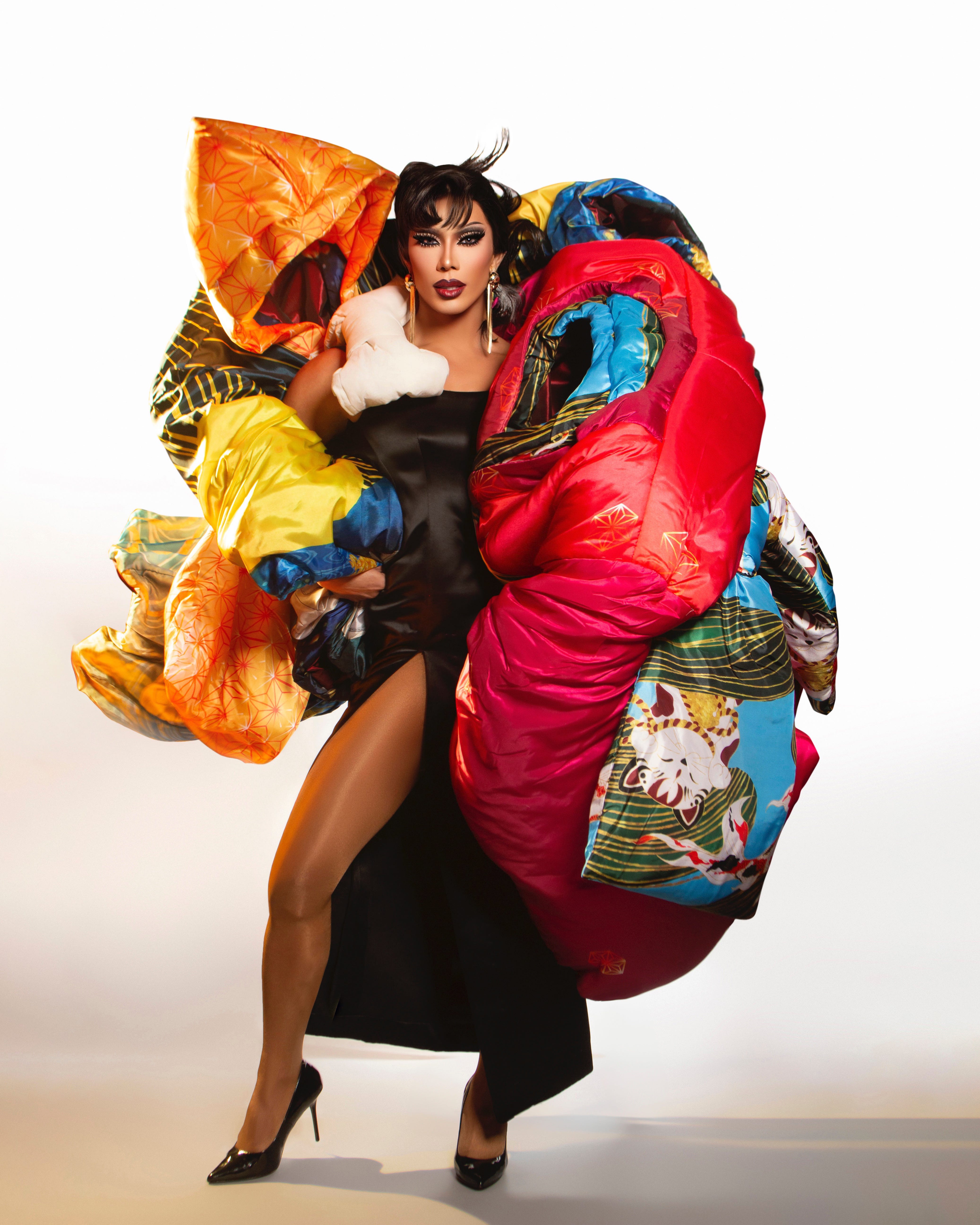
The drag scene here isn’t just about flamboyant costumes and fierce lip-syncs—it’s an intersection of community, history, and activism. Traditional Thai cabarets have given drag a long-standing spotlight, with showgirls and trans performers at the center. “Traditionally, Thailand has a culture of cabaret shows,” Pangina explained. “Nowhere else in the world would have a big cabaret show where the main performers are all trans women. Other places, like Moulin Rouge, they’re biological women. But here in Thailand, that’s been the history ingrained into the context of our culture.” Hear the full story.
This outlook, rooted in both tradition and defiance of classification, sets Bangkok apart. The culture accepts a diversity of gender expression, with terms like “ladyboy” still used locally to describe trans performers, even as language elsewhere shifts. As I listened, it was clear: there’s both heritage and progress in every show.
How House of Heals changed queer nightlife in Bangkok
Entering House of Heals for the first time, I couldn’t help but notice a special kind of magic. Pangina founded the venue as an answer to the uniformity and, frankly, discomfort she’d experienced as a queen performing in straight clubs: “When I perform at the street clubs, I don’t feel safe. People would pull my wigs off when they’re drunk,” she told me. That reality inspired her to create a venue where queens, showgirls, and guests alike could come together free from judgment, with proper lighting and security.
House of Heals quickly became more than a stage. It’s a home where individuals can come as they are—a sentiment that runs through the club’s ethos. “It felt like you’re coming home,” Pangina recalled of those early days. “But it’s a home that you made for yourself.” The club caught the attention of stars and locals alike, packing out night after night and setting a new bar for queer venues in the city. Listen to this part.
Why is queer culture so visible in Thailand?
Thais wear their cultural pride openly. There’s an attitude of inclusion that’s shaped both by ancient performance traditions and by the modern imperatives of a country renowned for welcoming outsiders. As Pangina put it, “Our country, one of our main income is tourism… part of our culture is to welcome people from all over the world.” That atmosphere breeds visibility not only at House of Heals, but throughout the city’s vibrant Soi 4 or techno dens packed with locals and travelers alike. Hear about the local vibe.
This pride is woven into Thailand’s legal and social fabric. Even with recent steps forward like gay marriage legislation, Pangina noted that societal acceptance preceded legal changes: “The law just kind of caught up with society.” That’s not something you see in every destination, and it makes a difference for queer nightlife’s authenticity and vibrancy here.
What goes into building an iconic drag nightclub in Bangkok?
Launching a club like House of Heals is about far more than just decor and drinks. For Pangina, the process resembled “giving birth”—with months of sleepless nights, construction that seemed endless, and the looming anxiety of whether anyone would actually show up. When the doors finally opened, the risk paid off, and what followed was a burst of wild, unforgettable nights: “People had to wait in line because the space was small, but it was intimate… It had the magic that Bangkok has never seen before.” Hear her recount the opening night.
Since then, House of Heals has spawned sister venues—Beef for bears, Silver Sand for newcomers, Horn for EDM lovers—each serving its own crowd. This mosaic of venues is a sign that queer nightlife in Bangkok is varied and growing, not a single experience but a spectrum of identities and tastes.
How does Bangkok’s drag nightlife welcome travelers?
Nightlife in Bangkok is a choose-your-own-adventure, whether you’re hunting for classic cabaret, rowdy drag, or underground techno. Pangina summed up what sets it apart: “I want travelers who come to Thailand to feel like this is paradise… You can get a variety of that palate, and when people come, I want them to experience Bangkok the way they want to experience it.” Her venues are open to tourists from around the globe as well as locals, all drawn together by shows that blend high art and wild fun. Hear this perspective here.
That means comfort, excitement, and a strong sense of safety—even after midnight. The city’s drag venues are ready to welcome you, whether you’re part of the scene, visiting for the first time, or just curious about the party.
Common questions
How does Thai drag differ from Western drag?
Thai drag emerged from a longstanding cabaret tradition, with shows led by trans women—often known locally as “showgirls.” In the West, drag is more often rooted in camp and parody. Here, it’s a mix of traditional glamor and gender expression, but open to all identities. Listen to the history.
Is Bangkok safe for LGBTQ+ travelers?
Yes, Bangkok is widely recognized as a safe and welcoming city for LGBTQ+ visitors. The local attitude is generally tolerant, both due to cultural values and the country’s dependence on tourism. Thai law has also recently advanced LGBTQ+ rights, with changes like the legalization of same-sex marriage, as echoed in our discussion.
What’s the difference between a drag queen and a showgirl in Thailand?
In Thailand, a “showgirl” typically refers to a trans woman performer who lives full-time as a woman, while a “drag queen” can be anyone (regardless of identity) performing in drag. Pangina offered that most queens in Thailand still live as boys outside drag, but there is no strict rule.
Do Bangkok’s drag nightclubs cater to tourists?
Absolutely. Many Bangkok drag venues—including House of Heals—are designed to make all guests feel comfortable and engaged, no matter where you’re from. You’ll meet locals, expats, and tourists in a welcoming, lively mix on any given night.

Join Wayfinder: Life-Changing Travel
Get new posts by email, and choose the topics you want.
Get in Touch
Send a message about partnerships or press.